-
Gianni Virone & FFM Jazz Faculty - Il Mestiere di Vivere i miti
Opera Jazz: parlando di Cesare Pavese, delle langhe e del jazz
Musiche di Gianni Virone
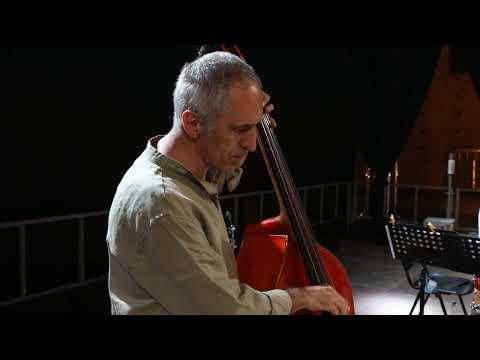
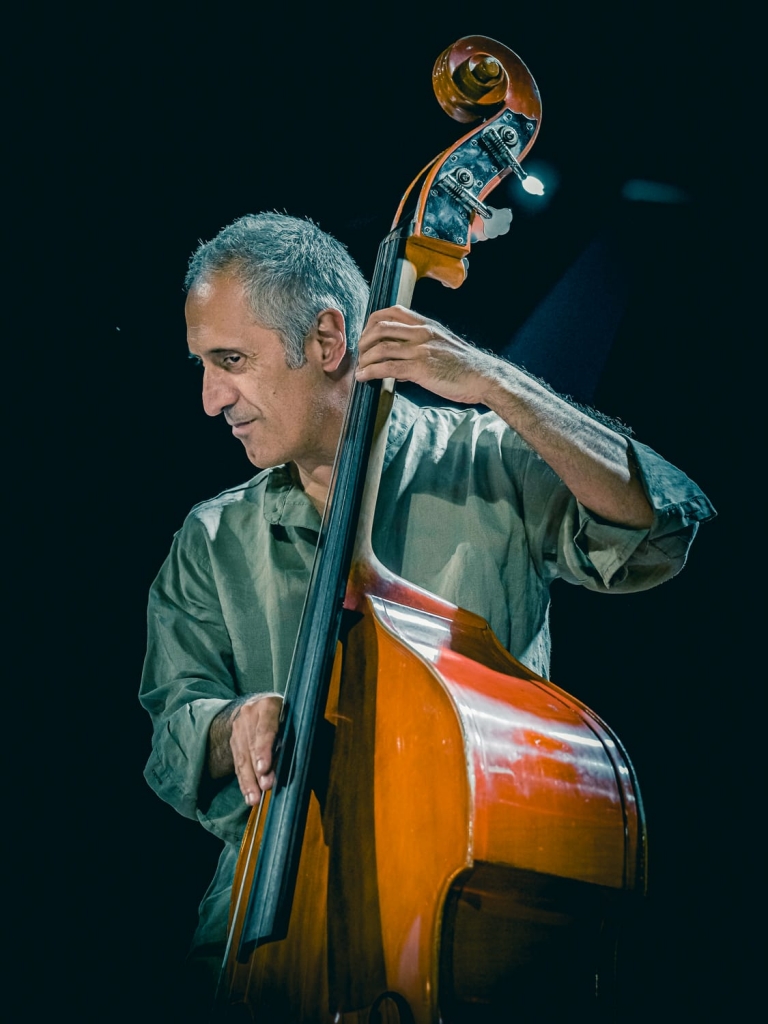
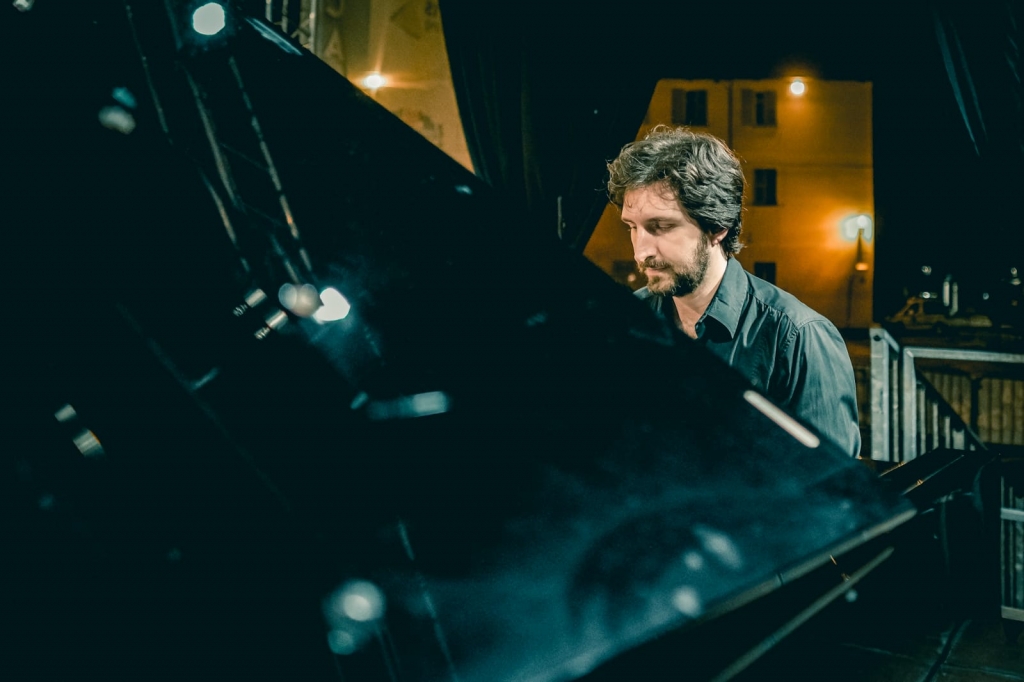
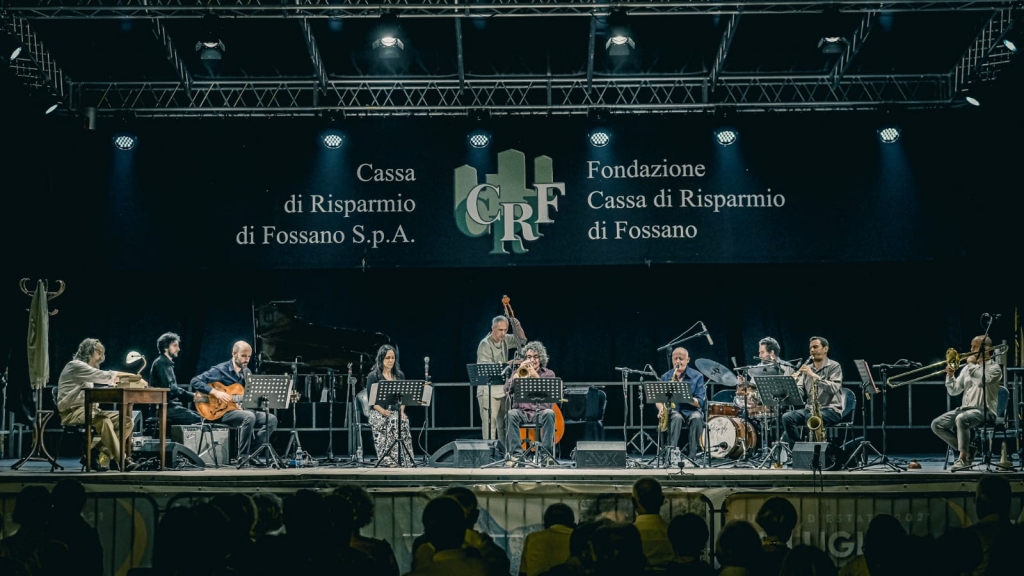
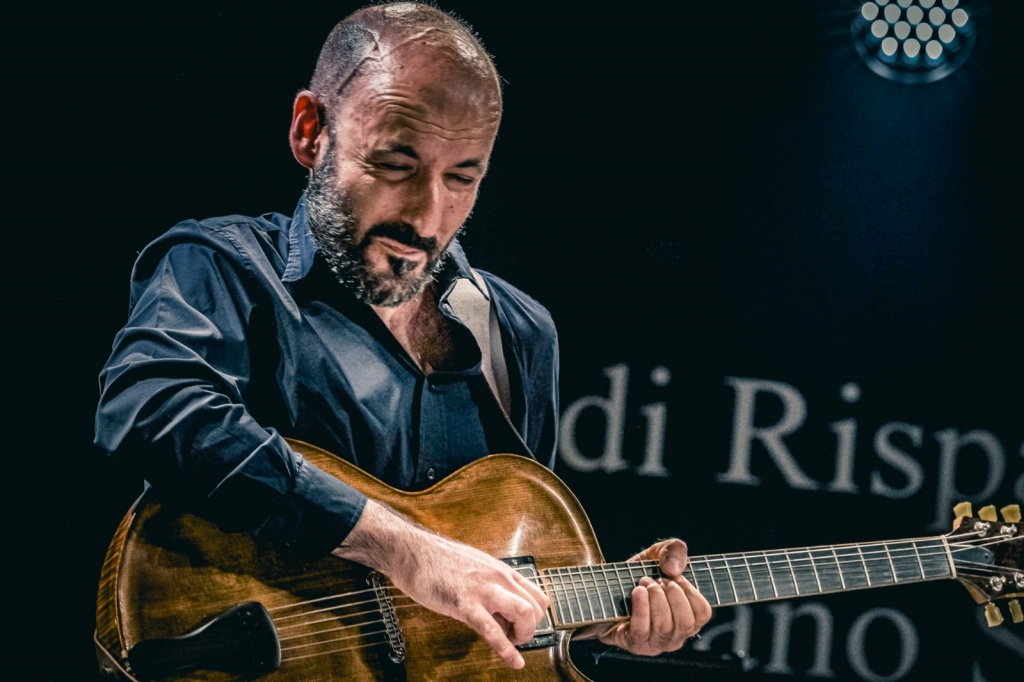
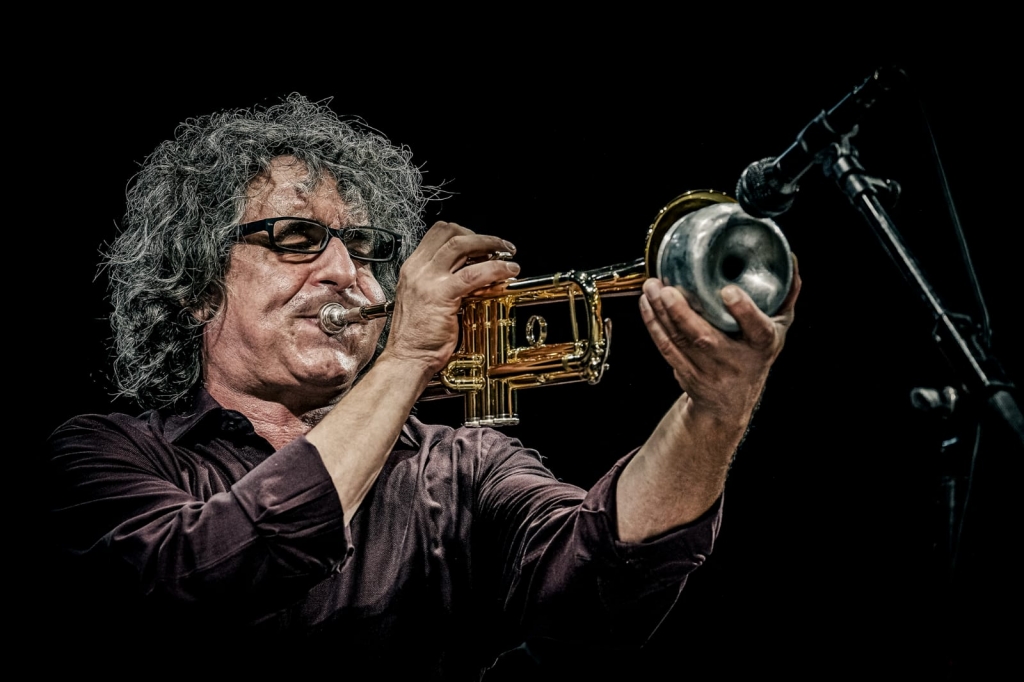
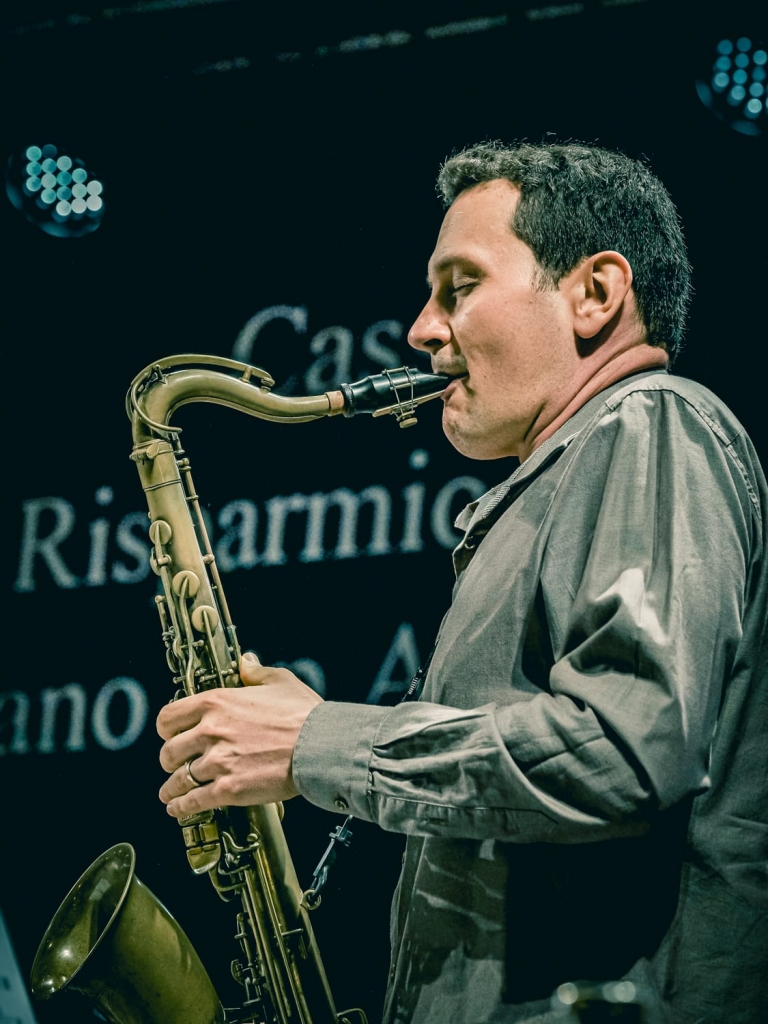
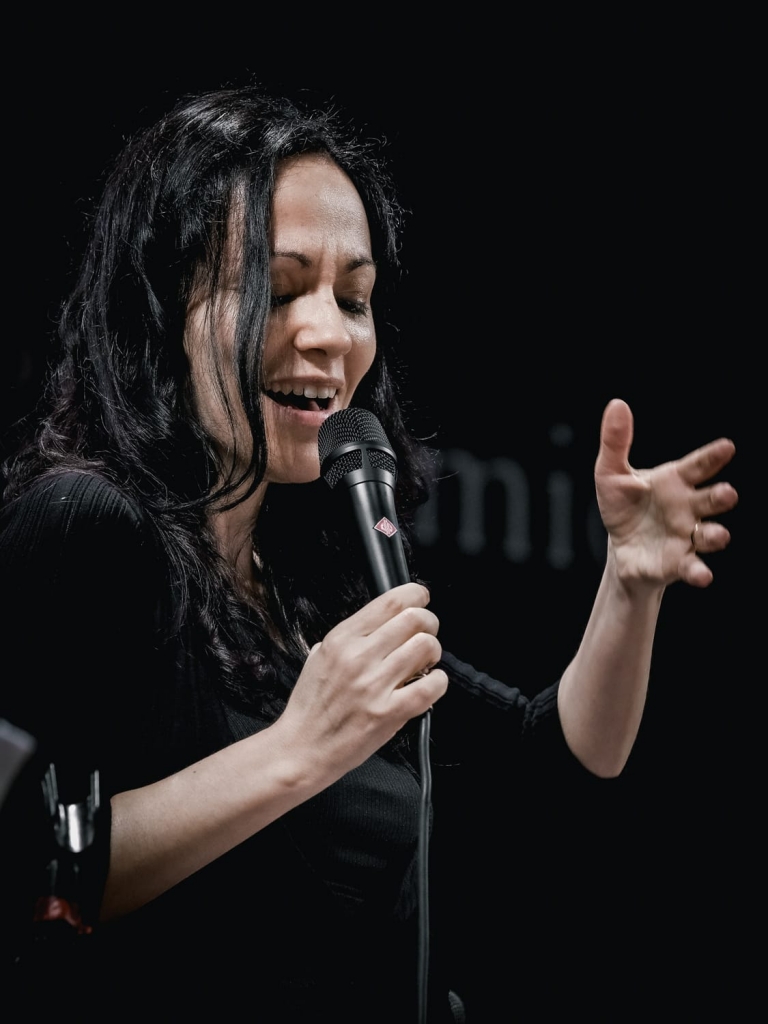
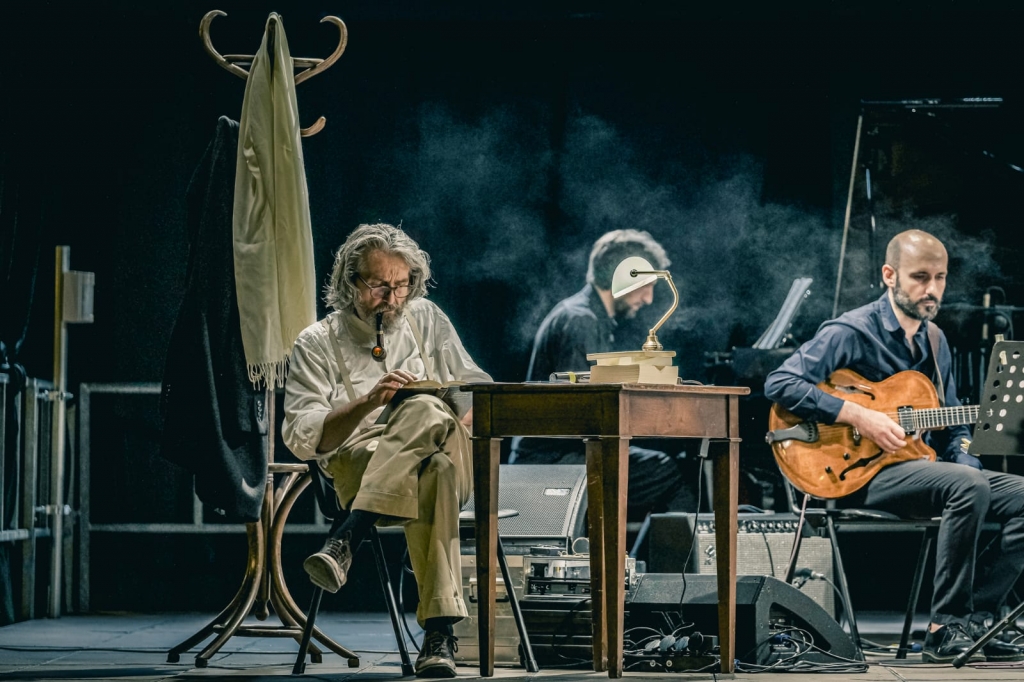
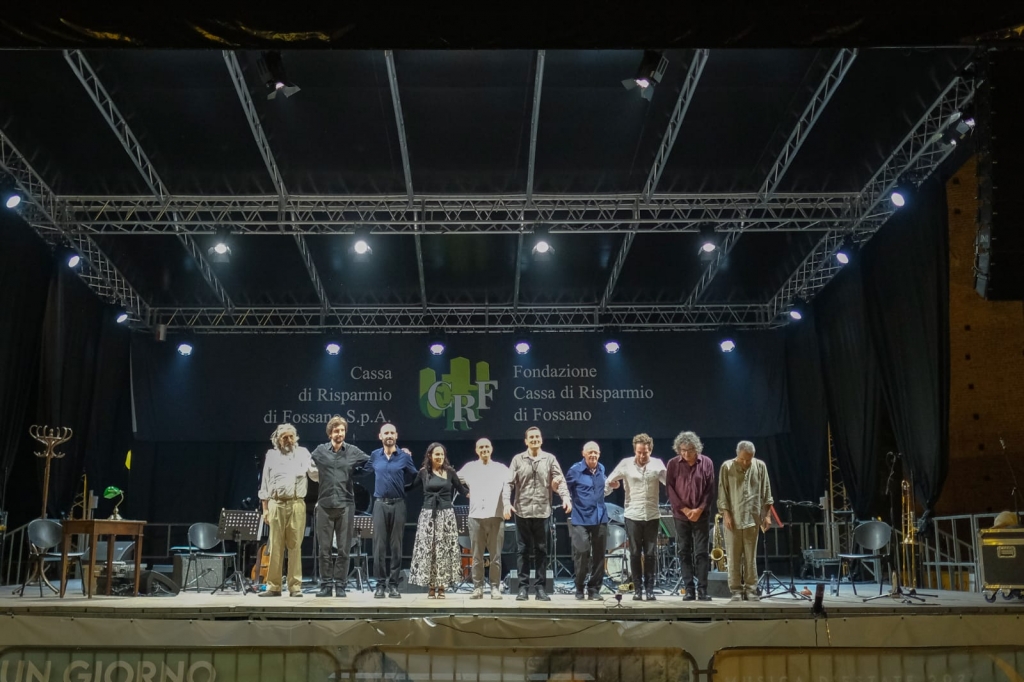
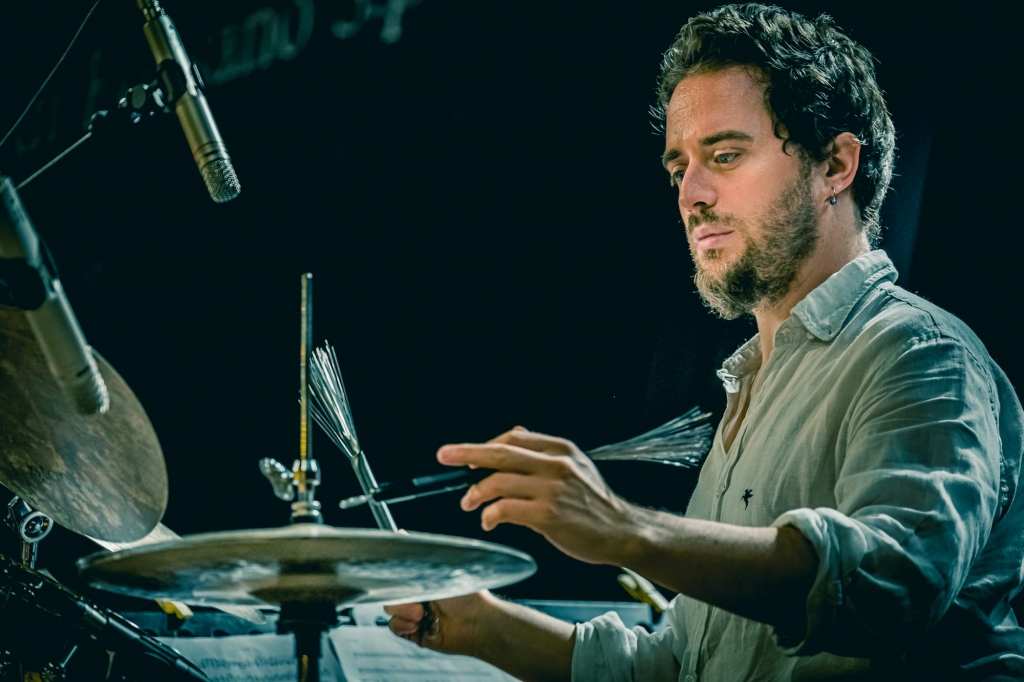
Testi di Pierfrancesco Di Noia e Cesare PavesePinuccio Bellone, narratore | Sonia Schiavone, voce | Gianni Virone, sax tenore, clarinetto e flauto | Claudio Chiara, sax soprano e contralto, flauto | Fulvio Chiara, tromba e flicorno | Didier Yon, trombone | Fabio Gorlier, pianoforte | Alessandro Chiappetta, chitarra | Francesco Bertone, contrabbasso | Ruben Bellavia, batteria
Correva il 1937, e parlare degli Stati Uniti, la potenza giudaico-capitalistica, in termini non graditi al regime, poteva essere oltremodo pericoloso. Questa operazione di interessamento alla cultura americana e alla sua diffusione avveniva in Italia soprattutto a Torino, dove operava un consistente gruppo di intellettuali in cui il mito americano era centrale per più di un aspetto interpretativo. Pavese, il deus ex machina dell'americanismo piemontese, operò fino alla metà degli anni trenta con le traduzioni degli scrittori statunitensi contemporanei e con "I saggi critici" trasforma il mito americano in "fede letteraria ed ideologica" e fede jazzistica, potremmo aggiungere. L'interesse più o meno forte per una forma culturale tipicamente americana quale è il jazz accomunò infatti intellettuali ed artisti molto diversi tra loro per interessi e discipline praticate, ma anche per mentalità e grado di impegno politico. Vedremo però che in alcuni casi - valgano da esempio più significativo quelli di Pavese, Mila, Soldati - il jazz costituì un riferimento culturale non indifferente. Il jazz "è la speranza dell'intero mondo musicale", secondo una celebre definizione di Leopold Stokowski...Citando l’affermazione “Quando non sai cos’è, allora è jazz!” del famoso Novecento, personaggio letterario nato dalla penna di Alessandro Baricco, crediamo sia importante accendere i riflettori su questo genere musicale.
Fin dagli anni venti, ma in modo più radicato e consapevole a partire dal dopo guerra, nasce la grande tradizione jazzistica del nostro paese. Si accolgono e si rielaborano ritmi giunti da oltre oceano dando vita alla “nuova musica” che in quegli anni conquistò il paese.
Aperta ora alle suggestioni d’avanguardia, ora a impostazioni più consolidate, questa passione è rimasta intatta nei decenni e ancora oggi catalizza moltissimi cultori di una musica sempre “work in progress”. In questa essenza impalpabile, nella sua ricerca continua di emozioni tra suoni e dissonanze, si possono forse individuare le ragioni del fascino che il jazz ha sempre esercitato sui musicisti e su chi a vario titolo si avvicina a questo genere musicale.
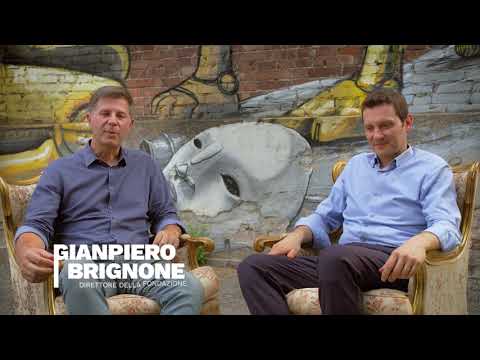
Promuovendo questo progetto che unisce il jazz con la letteratura in genere, la Fondazione Fossano Musica vuole dare corpo e visibilità alle sonorità di una passione arrivata fino ad oggi grazie alla competenza ed impegno profuso da parte di molti musicisti, nella convinzione che la diffusione dell’arte e della cultura in tutte le sue espressioni sia un fattore indispensabile per lo sviluppo di un territorio di cui la FFM si sente parte integrante.
-
Gianni Virone & FFM Jazz Faculty - Il Mestiere di Vivere i miti
Opera Jazz: speaking of Cesare Pavese, the Langhe and Jazz
Music by Gianni Virone | Texts by Pierfrancesco Di Noia and Cesare Pavese
Pinuccio Bellone, narrator | Sonia Schiavone, voice | Gianni Virone, tenor saxophone, clarinet and flute | Claudio Chiara, soprano and alto saxophone, flute | Fulvio Chiara, trumpet and flugelhorn | Didier Yon, trombone | Fabio Gorlier, piano | Alessandro Chiappetta, guitar | Francesco Bertone, double bass | Ruben Bellavia, drums
It was 1937, and speaking of the United States — the so-called Judeo-capitalist power — in terms unwelcome to the regime could be extremely dangerous. This engagement with American culture and its dissemination took place in Italy primarily in Turin, where a substantial group of intellectuals operated, among whom the American myth was central to more than one interpretive perspective. Pavese, the deus ex machina of Piedmontese Americanism, worked until the mid-1930s translating contemporary American writers, and with his Critical Essays transformed the American myth into a "literary and ideological faith" — and a jazz faith, one might add. The more or less strong interest in a typically American cultural form such as jazz united intellectuals and artists who were very different from one another in their interests and disciplines, as well as in their mindsets and degree of political commitment. We shall see, however, that in certain cases — with Pavese, Mila, and Soldati serving as the most significant examples — jazz constituted a significant cultural point of reference. Jazz "is the hope of the entire musical world," according to a celebrated definition by Leopold Stokowski. Quoting the line "When you don't know what it is, then it's jazz!" from the famous Novecento, a literary character created by Alessandro Baricco, we believe it is important to shine a spotlight on this musical genre.From the 1920s onwards, but in a more deeply rooted and conscious way beginning in the post-war period, the great jazz tradition of our country was born. Rhythms that arrived from across the ocean were embraced and reworked, giving rise to the "new music" that conquered the country in those years.
Open at times to avant-garde influences, at others to more established approaches, this passion has remained intact over the decades and continues today to attract a great many devotees of a music that is always a "work in progress." In this intangible essence, in its continual search for emotions among sounds and dissonances, one can perhaps identify the reasons for the fascination that jazz has always held over musicians and all those who, in various capacities, engage with this musical genre.
By promoting this project that unites jazz with literature more broadly, the Fondazione Fossano Musica aims to give substance and visibility to the sounds of a passion that has endured to the present day, thanks to the expertise and dedication of many musicians. This is done in the belief that the dissemination of art and culture in all its expressions is an indispensable factor for the development of a territory of which the FFM considers itself an integral part.
foto



video