-
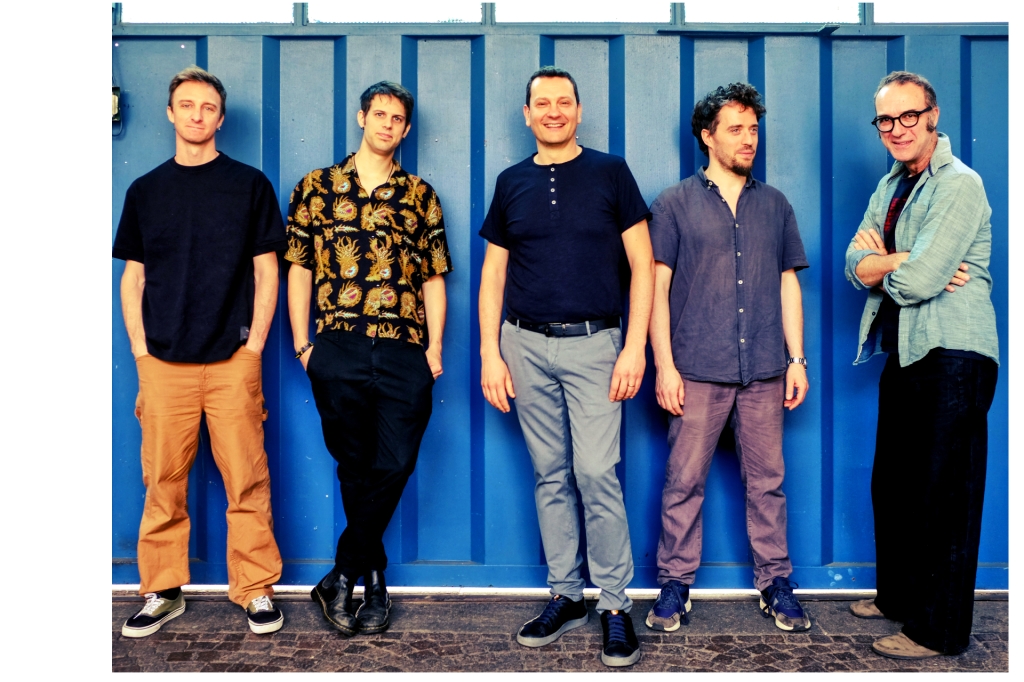
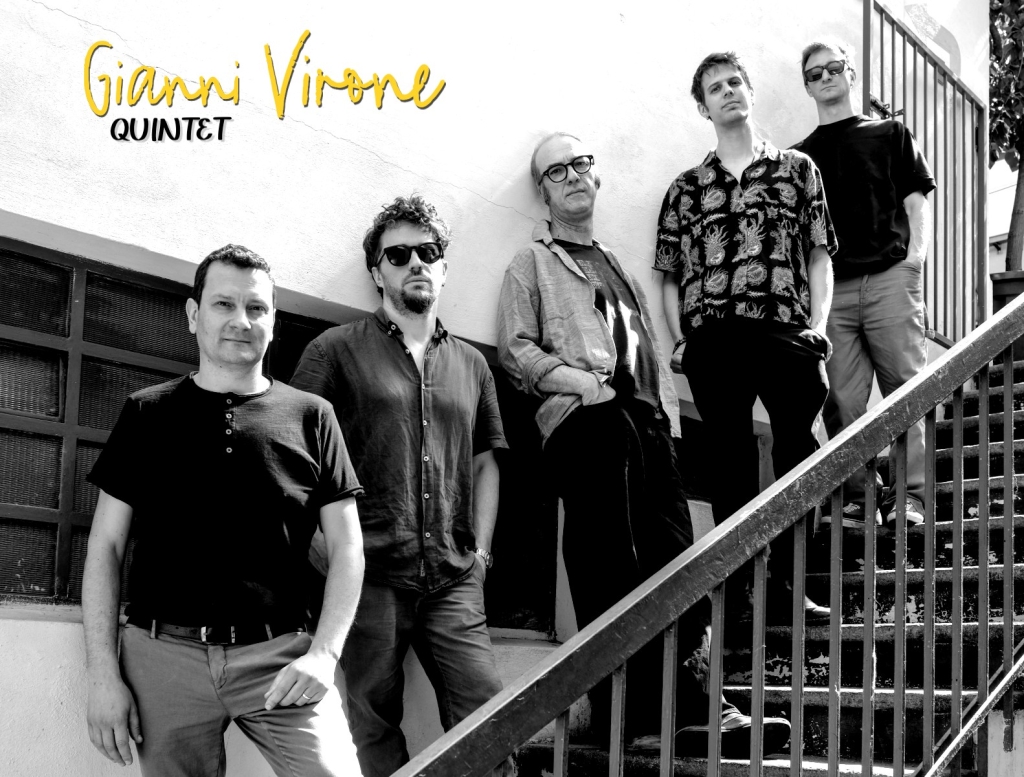
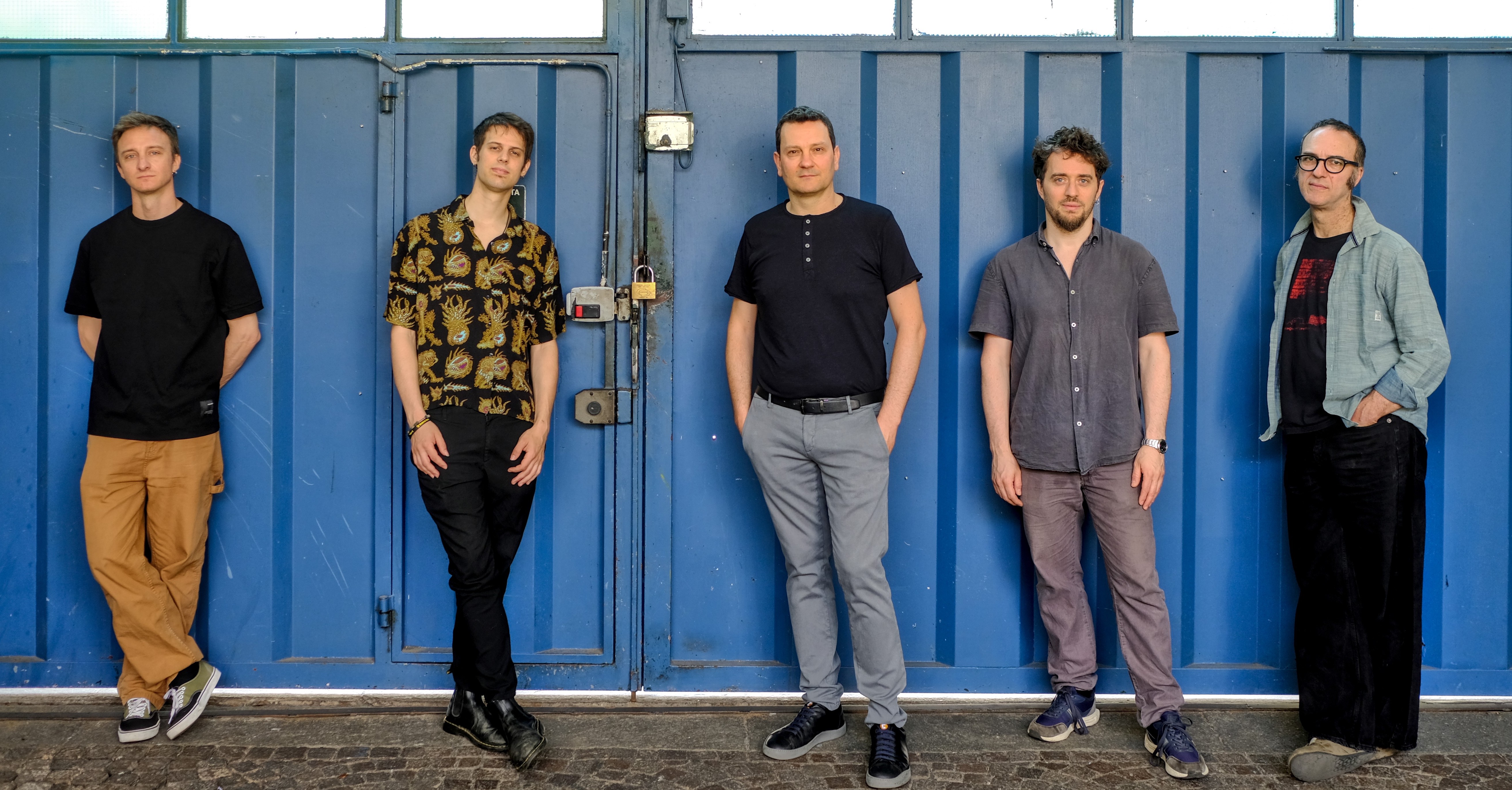
Gianni Virone Quintet
Gianni Virone - Sax Tenore e Soprano, Clarinetto, Flauto
Gianluca Palazzo - Chitarra
Lodovico Berto - Vibrafono
Stefano Risso – Basso
Ruben Bellavia - BatteriaIl Progetto
What if...
Dentro la Musica di Jim McNeely
Il Gianni Virone Quintet nasce nel 2026 con un progetto che è al tempo stesso un omaggio e un'esplorazione: What if... — Dentro la Musica di Jim McNeely. Cinque musicisti tra i più noti della scena jazz torinese, uniti da una lunga frequentazione artistica, si ritrovano intorno alla musica di uno dei compositori americani più raffinati e influenti della sua generazione.
McNeely — pianista, compositore, arrangiatore nato a Chicago nel 1949 e scomparso nel settembre 2025 — ha attraversato la storia del jazz moderno con una firma inconfondibile: linee melodiche agili e asimmetriche, architetture armoniche sofisticate, un senso del ritmo tanto preciso quanto sorprendente. Ha suonato con Stan Getz, Phil Woods, Chet Baker, ha guidato la Danish Radio Big Band, ha lasciato un segno indelebile nella Vanguard Jazz Orchestra. Nove candidature ai Grammy. Una voce che ha segnato il jazz americano e europeo per mezzo secolo.
What if... nasce da una domanda semplice quanto affascinante: cosa succede se la scrittura orchestrale e complessa di McNeely viene affidata a una formazione da camera? Gianni Virone ha scelto e arrangiato per il quintetto alcuni dei brani che più lo hanno colpito nel catalogo dell'autore, reinventandone le trame senza tradirne lo spirito. La chitarra di Gianluca Palazzo e il vibrafono di Lodovico Berto — combinazione timbrica rara nel jazz — unite ai sassofoni, al clarinetto e al flauto del leader offrono una tavolozza sonora capace di restituire sia la trasparenza che la complessità della scrittura di McNeely. La solida interazione con il drumming di Ruben Bellavia e le linee di basso di Stefano Risso completano il quadro mettendo in luce le diverse personalità dei componenti del gruppo.
Cinque musicisti torinesi. Un grande compositore americano. Una conversazione tra continenti e generazioni.
Il concerto
Skittish
E’ il secondo movimento della suite in cinque parti East Coast Blow Out, registrata nel 1989 con Marc Johnson al basso, John Scofield alla chitarra e Adam Nussbaum alla batteria, insieme alla WDR Big Band di Colonia. Il pezzo si apre con un tema pianistico dal sapore fortemente ornettiano, giocato però su un tempo swingante convenzionale — un aspetto che alcuni critici hanno letto come un chiaro omaggio a Ornette Coleman filtrato attraverso il linguaggio armonico di McNeely. Il titolo stesso ("nervoso", "scattante") rispecchia bene l'andamento imprevedibile e guizzante della melodia. Questo brano è considerato un classico del repertorio di McNeely: è tornato più volte in scena, ad esempio in un concerto-tributo al Dimenna Center di New York, dove la performance con Scofield e Nussbaum ha messo in luce lo spirito quasi ribelle e beffardo tipico della musica di McNeely.
Ich will mal ganz ehrlich sein
("Voglio essere del tutto sincero") è l'ottavo brano dell'album Der Unsichtbare (2016), un "melodramma jazz" composto da Jim McNeely su testo tratto dal celebre romanzo Uomo invisibile di Ralph Ellison. Il progetto vede l'attore August Zirner recitare passi del romanzo sopra la musica scritta da McNeely per la hr-Bigband di Francoforte, diretta dallo stesso McNeely. Il brano, della durata di circa 9 minuti, si inserisce in un percorso di nove capitoli musicali che seguono la voce narrante del protagonista invisibile di Ellison.
A Glimmer of Hope
E’ il quarto brano dell'album Barefoot Dances and Other Visions, una suite per big band scritta da Jim McNeely per la Frankfurt Radio Big Band, con cui il compositore collaborava già da diversi anni al momento della sua composizione. Come gli altri pezzi della raccolta, anche questo è costruito attorno a una coppia di solisti che McNeely conosceva bene, avendo lavorato a stretto contatto con l'organico della Frankfurt Radio Big Band per costruire un contesto sonoro insieme familiare e stimolante per ciascun musicista.
The Race to Nowhere
E’ il brano d'apertura dell'album Threnody: The Music of Jim McNeely, registrato dalla Jazz Orchestra of the Concertgebouw e pubblicato nell'agosto 2022. Il titolo, che richiama l'idea di una corsa frenetica priva di una vera destinazione, si inserisce nello stile tipico di McNeely: melodie intricate e ricche di svolte, unite a un forte senso dell'orchestrazione per big band.
Ad Parnassum
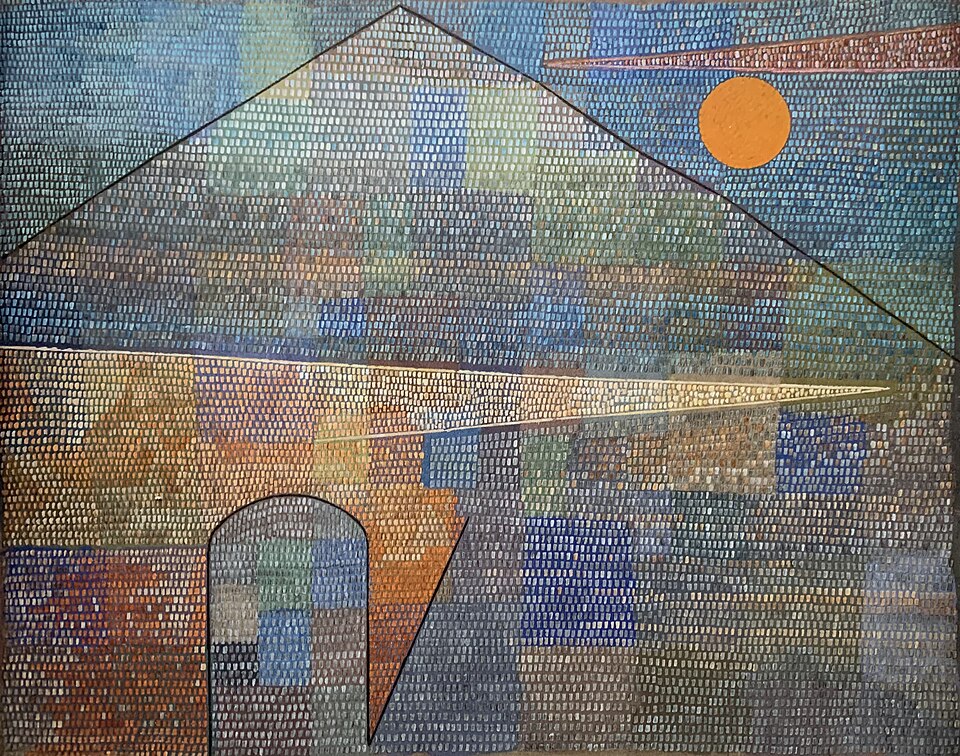
E’ un brano di Jim McNeely tratto dalla suite Paul Klee, scritta per la Frankfurt Radio Big Band e ispirata all'omonimo dipinto puntinista del pittore svizzero-tedesco Paul Klee; la suite valse a McNeely una nomination ai Grammy. Musicalmente il pezzo è, secondo la critica, complesso ma allo stesso tempo divertente da ascoltare, caratteristica tipica dello stile maturo di McNeely per grande organico. Il brano è anche un esempio didattico del suo approccio compositivo: McNeely stesso lo ha usato, insieme a "The Sky's the Limit", per illustrare l'uso del contrappunto libero nella scrittura per big band, applicando al jazz tre principi appresi dallo studio di Bach.
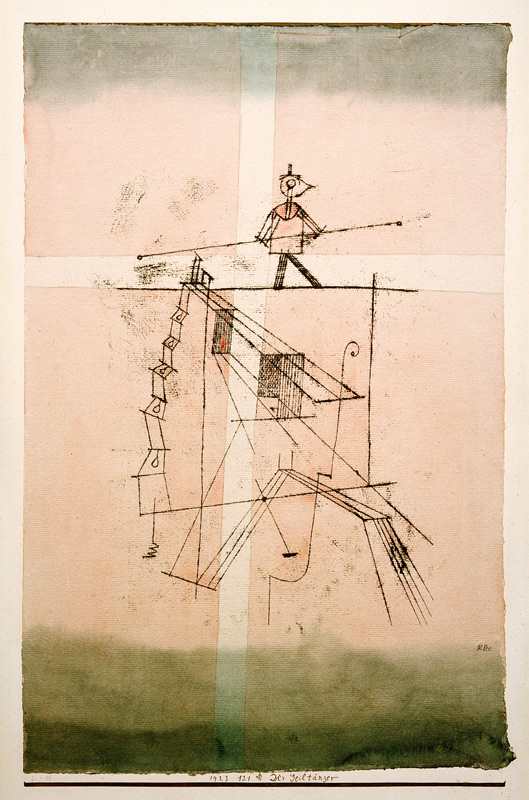
Der Seiltänzer
("Il funambolo") è un altro brano della suite Paul Klee di Jim McNeely, ispirato all'omonima opera del pittore svizzero-tedesco, e come il resto della suite pensato per grande organico jazz. Musicalmente, il pezzo nasce, grazie al riferimento del titolo al "tänzer" (danzatore), come un elegante valzer che si trasforma in un arioso pas de deux, rispecchiato nel gioco di botta e risposta della scrittura d'insieme. Questo brano è stato eseguito, tra le altre formazioni, dalla Swiss Jazz Orchestra (2007) e dall'Eastman Jazz Ensemble con lo stesso McNeely al pianoforte (2014), a conferma della sua diffusione nel repertorio delle big band internazionali. Con la sua immagine del funambolo in equilibrio sul filo, il brano incarna bene la cifra stilistica di McNeely: leggerezza formale unita a una scrittura orchestrale raffinata e in continuo dialogo tra le sezioni.
Ich bin unsichtbar
(“Sono Invisibile”) è il brano che apre Der Unsichtbare, la suite di Jim McNeely per hr-Bigband e voce recitante (August Zirner) ispirata al romanzo Uomo invisibile di Ralph Ellison, di cui abbiamo già parlato per il brano "Ich will mal ganz ehrlich sein". Con i suoi 13 minuti circa, è il brano più esteso dell'intera suite. Trattandosi del capitolo iniziale, il brano ha il compito di introdurre da subito la voce narrante del protagonista invisibile di Ellison, stabilendo il rapporto stretto tra parola e musica che caratterizza tutto il progetto.
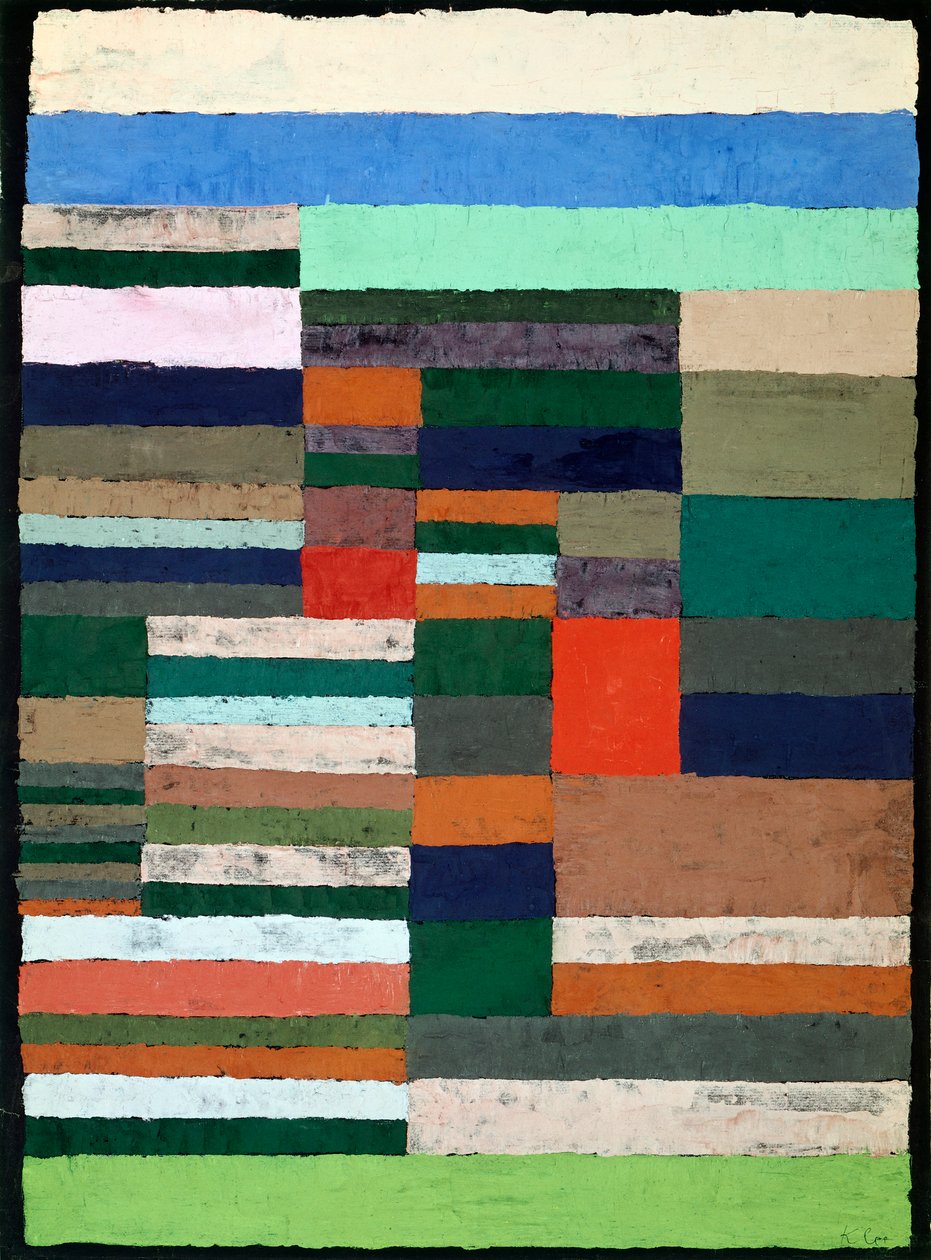
Individualisierte Höhenmessung der Lagen
(“Altimetria Individualizzata delle strisce”) è un altro brano della Paul Klee Suite, il quinto della tracklist nell'edizione con la Swiss Jazz Orchestra (2006) di cui abbiamo già parlato per "Ad Parnassum" e "Der Seiltänzer". Il titolo riprende quello dell'omonimo acquerello di Paul Klee del 1930, opera in cui la composizione è divisa in dodici fasce orizzontali, chiamate da Klee "strati" (Lagen), attraversate da cinque soglie verticali, e a ogni passaggio queste fasce vengono divise o ricomposte. Il dipinto è inoltre servito da immagine di copertina all'album McNeely/Swiss Jazz Orchestra del 2006. Come gli altri brani della suite, McNeely traduce in musica per big band la struttura geometrica e stratificata dell'opera di Klee, coerentemente con l'approccio "pittura in musica" che caratterizza l'intero progetto.
La Formazione
Gianni Virone — Sax Tenore e Soprano, Clarinetto, Flauto
Nato a Chieri nel 1980, Virone si laurea con lode al Conservatorio G. Verdi di Torino sotto la guida di Furio Di Castri. Pluripremiato — tra cui il I° Premio "Nuovi Talenti del Jazz Italiano" e il Premio Incroci Sonori 2009 — ha frequentato masterclass con Dave Liebman, Jerry Bergonzi, Enrico Rava, Steve Coleman, Gianluigi Trovesi e molti altri. Ha all'attivo collaborazioni con big band e orchestre di rilievo nazionale, ha inciso come leader con il suo trio (Frammenti, Chance), ed è docente di sax, armonia e big band presso la Jazz School Torino e la Fondazione Fossano Musica. Dal 2013 dirige la JST Big Band.
Per What if... Virone firma tutti gli arrangiamenti, traghettando la scrittura orchestrale di McNeely nella dimensione intima del quintetto.
Gianluca Palazzo — Chitarra
Nato ad Acquaviva delle Fonti (BA) nel 1996, Palazzo studia chitarra classica prima di dedicarsi al jazz. Laureato in Chitarra Classica e Composizione Jazz al Conservatorio di Torino (con Furio Di Castri), sta conseguendo il Master in Chitarra Jazz. Uno stile che si muove tra modernità e tradizione, riconosciuto da una serie di premi di primo piano: il Matera Jazz Guitar Days 2025 (Premio Angelo Carriero), il II° posto al Concorso Nazionale Chicco Bettinardi 2025, l'Eddie Lang Prize 2024, il III° posto al Concorso Internazionale Massimo Urbani 2024. Ha suonato con Uri Caine, Dado Moroni, Andy Sheppard, Bebo Ferra, Furio Di Castri. Ha calcato i palchi del Torino Jazz Festival, del Nuoro Jazz Festival e del Jazz en Juin di Québec City.
Lodovico Berto — Vibrafono
Nato a Jesolo nel 1984, Berto arriva al vibrafono dopo una solida formazione classica come percussionista: ha collaborato con l'Orchestra del Teatro Carlo Felice di Genova, l'Orchestra Sinfonica di Milano Giuseppe Verdi, I Pomeriggi Musicali e altri ensemble di rilievo. Ha frequentato seminari con David Friedman, David Samuels, Ed Saindon, Andy Sheppard. La sua attività si orienta progressivamente verso il jazz: compositore, leader del Kassiber Ensemble e di Bongclouds, è anche studioso di composizione jazz (con Stefano Maccagno, Furio Di Castri e Gianni Virone). Docente di percussioni al Liceo Musicale Lagrangia di Vercelli e responsabile dei relativi corsi jazz. La sua voce al vibrafono — strumento raro nel jazz d'oggi — è risorsa preziosissima per il quintetto.
Stefano Risso — Contrabbasso
Nato a Torino nel 1970, Risso si forma al Siena Jazz e si perfeziona nella tecnica del contrabbasso con Furio Di Castri e Davide Botto. Musicista eclettico, muove la sua ricerca tra jazz, avanguardia e musica d'autore, legando il formato canzone alla sperimentazione. Ha all'attivo oltre cinquanta dischi pubblicati da etichette internazionali ed è leader o co- fondatore di progetti come Barber Mouse, T.R.E. e Vocifero. Intensa la sua attività transdisciplinare, che lo vede comporre colonne sonore per il teatro e collaborare con video-
artisti, scultori e coreografi. Ha collaborato con Francesco De Gregori, Stefano Battaglia, Ernst Reijseger, Jim Black, Meg e Lalli. Affianca l'attività concertistica alla docenza di jazz nei Conservatori statali italiani. Figura di riferimento della scena torinese e nazionale.Ruben Bellavia — Batteria
Nato a Moncalieri(TO) nel 1985, Bellavia si diploma in Percussioni Classiche e poi in Discipline Musicali Jazz al Conservatorio G. Verdi di Torino. Vince nel 2009 la borsa di studio Master dei Talenti (Fondazione CRT) e si perfeziona a New York con John Riley, Ari Hoenig, Gregory Hutchinson. Nel 2016 è eletto tra i dieci migliori batteristi jazz italiani dalla rivista JazzIt. Nel 2017 viene invitato al Berklee College of Music di Boston per tenere una masterclass dedicata al suo metodo di studio ispirato a Tony Williams — di cui è anche autore del volume Suonare la Batteria Jazz. Ha collaborato con Randy Brecker, Fabrizio Bosso, Antonio Faraò, Enrico Pieranunzi, Fabio Giachino. Figura di riferimento della scena torinese e nazionale.
-
Gianni Virone Quintet
Gianni Virone – Tenor and Soprano Sax, Clarinet, Flute
Gianluca Palazzo – Guitar
Lodovico Berto – Vibraphone
Stefano Risso – Bass
Ruben Bellavia – DrumsThe Project
What if...
Inside the Music of Jim McNeely
The Gianni Virone Quintet was formed in 2026 with a project that is at once a tribute and an exploration: What if... — Inside the Music of Jim McNeely. Five of the most well-known musicians on the Turin jazz scene, united by a long-standing artistic relationship, come together around the music of one of the most refined and influential American composers of his generation.
McNeely — pianist, composer, and arranger, born in Chicago in 1949 and who passed away in September 2025 — left his mark on the history of modern jazz with an unmistakable signature: agile, asymmetrical melodic lines, sophisticated harmonic architecture, and a sense of rhythm as precise as it is surprising. He played with Stan Getz, Phil Woods, and Chet Baker, led the Danish Radio Big Band, and left an indelible mark on the Vanguard Jazz Orchestra. Nine Grammy nominations. A voice that shaped American and European jazz for half a century.
What if... springs from a question as simple as it is fascinating: what happens when McNeely's complex orchestral writing is entrusted to a chamber ensemble? Gianni Virone has selected and arranged for the quintet some of the pieces from the composer's catalogue that struck him most, reinventing their textures without betraying their spirit. Gianluca Palazzo's guitar and Lodovico Berto's vibraphone — a rare timbral combination in jazz — together with the leader's saxophones, clarinet, and flute, offer a sound palette capable of conveying both the transparency and the complexity of McNeely's writing. The solid interplay between Ruben Bellavia's drumming and Stefano Risso's bass lines completes the picture, highlighting the different personalities of the group's members.
Five musicians from Turin. One great American composer. A conversation across continents and generations.
The Concert
Skittish
The second movement of the five-part suite East Coast Blow Out, recorded in 1989 with Marc Johnson on bass, John Scofield on guitar, and Adam Nussbaum on drums, together with the WDR Big Band of Cologne. The piece opens with a piano theme with a strongly Ornette-like flavor, played however over a conventional swinging tempo — an aspect some critics have read as a clear homage to Ornette Coleman filtered through McNeely's harmonic language. The title itself ("nervous," "skittish") reflects well the unpredictable, darting movement of the melody. This piece is considered a classic of McNeely's repertoire: it has returned to the stage several times, for instance at a tribute concert at the DiMenna Center in New York, where the performance with Scofield and Nussbaum highlighted the almost rebellious, mischievous spirit typical of McNeely's music.
Ich will mal ganz ehrlich sein
("I want to be completely honest") is the eighth track on the album Der Unsichtbare (2016), a "jazz melodrama" composed by Jim McNeely on a text drawn from Ralph Ellison's celebrated novel Invisible Man. The project features actor August Zirner reciting passages from the novel over music written by McNeely for the hr-Bigband of Frankfurt, conducted by McNeely himself. The piece, roughly 9 minutes long, is part of a nine-chapter musical journey that follows the narrating voice of Ellison's invisible protagonist.
A Glimmer of Hope
The fourth track on the album Barefoot Dances and Other Visions, a suite for big band written by Jim McNeely for the Frankfurt Radio Big Band, with whom the composer had already been collaborating for several years at the time of its composition. Like the other pieces in the collection, this one is built around a pair of soloists McNeely knew well, having worked closely with the Frankfurt Radio Big Band's musicians to build a sonic context that was both familiar and stimulating for each player.
The Race to Nowhere
The opening track of the album Threnody: The Music of Jim McNeely, recorded by the Jazz Orchestra of the Concertgebouw and released in August 2022. The title, evoking the idea of a frantic race with no real destination, fits McNeely's typical style: intricate, twist-filled melodies combined with a strong sense of big-band orchestration.
Ad Parnassum
A piece by Jim McNeely from the Paul Klee suite, written for the Frankfurt Radio Big Band and inspired by the pointillist painting of the same name by the Swiss-German painter Paul Klee; the suite earned McNeely a Grammy nomination. Musically, the piece is, according to critics, complex yet enjoyable to listen to, a characteristic feature of McNeely's mature style for large ensembles. The piece is also a teaching example of his compositional approach: McNeely himself used it, together with "The Sky's the Limit," to illustrate the use of free counterpoint in big-band writing, applying to jazz three principles learned from the study of Bach.
Der Seiltänzer
("The Tightrope Walker") is another piece from Jim McNeely's Paul Klee suite, inspired by the painting of the same name by the Swiss-German painter, and like the rest of the suite, conceived for a large jazz ensemble. Musically, thanks to the title's reference to the "tänzer" (dancer), the piece begins as an elegant waltz that transforms into a graceful pas de deux, mirrored in the call-and-response interplay of the ensemble writing. This piece has been performed, among other ensembles, by the Swiss Jazz Orchestra (2007) and the Eastman Jazz Ensemble with McNeely himself on piano (2014), confirming its wide reach in the repertoire of international big bands. With its image of the tightrope walker balancing on the wire, the piece well embodies McNeely's stylistic signature: formal lightness combined with refined orchestral writing in constant dialogue between sections.
Ich bin unsichtbar
("I Am Invisible") is the opening track of Der Unsichtbare, Jim McNeely's suite for hr-Bigband and narrating voice (August Zirner), inspired by Ralph Ellison's novel Invisible Man, already discussed in relation to the piece "Ich will mal ganz ehrlich sein." At roughly 13 minutes, it is the longest piece in the entire suite. As the opening chapter, the piece has the task of immediately introducing the narrating voice of Ellison's invisible protagonist, establishing the close relationship between word and music that characterizes the whole project.
Individualisierte Höhenmessung der Lagen
("Individualized Height Measurement of the Strata") is another piece from the Paul Klee Suite, the fifth track on the Swiss Jazz Orchestra edition (2006) already discussed in relation to "Ad Parnassum" and "Der Seiltänzer." The title takes its name from Paul Klee's 1930 watercolor of the same name, a work in which the composition is divided into twelve horizontal bands, called by Klee "layers" (Lagen), crossed by five vertical thresholds, with these bands being divided or recomposed at each crossing. The painting also served as the cover image for the 2006 McNeely/Swiss Jazz Orchestra album. Like the other pieces in the suite, McNeely translates into big-band music the geometric, layered structure of Klee's work, in keeping with the "painting in music" approach that characterizes the entire project.
The Lineup
Gianni Virone — Tenor and Soprano Sax, Clarinet, Flute
Born in Chieri in 1980, Virone graduated with honors from the G. Verdi Conservatory in Turin under the guidance of Furio Di Castri. Widely awarded — including 1st Prize "Nuovi Talenti del Jazz Italiano" and the Premio Incroci Sonori 2009 — he has attended masterclasses with Dave Liebman, Jerry Bergonzi, Enrico Rava, Steve Coleman, Gianluigi Trovesi, and many others. He has collaborated with major national big bands and orchestras, recorded as a leader with his trio (Frammenti, Chance), and teaches saxophone, harmony, and big band at the Jazz School Torino and the Fondazione Fossano Musica. Since 2013 he has directed the JST Big Band.
For What if... Virone wrote all the arrangements, carrying McNeely's orchestral writing into the intimate dimension of the quintet.
Gianluca Palazzo — Guitar
Born in Acquaviva delle Fonti (BA) in 1996, Palazzo studied classical guitar before turning to jazz. A graduate in Classical Guitar and Jazz Composition from the Turin Conservatory (under Furio Di Castri), he is currently completing a Master's in Jazz Guitar. His style moves between modernity and tradition, recognized by a series of major awards: the Matera Jazz Guitar Days 2025 (Premio Angelo Carriero), 2nd place at the 2025 Chicco Bettinardi National Competition, the 2024 Eddie Lang Prize, and 3rd place at the 2024 Massimo Urbani International Competition. He has played with Uri Caine, Dado Moroni, Andy Sheppard, Bebo Ferra, and Furio Di Castri, and has performed at the Torino Jazz Festival, the Nuoro Jazz Festival, and the Jazz en Juin festival in Québec City.
Lodovico Berto — Vibraphone
Born in Jesolo in 1984, Berto came to the vibraphone after solid classical training as a percussionist, having collaborated with the Orchestra of the Teatro Carlo Felice in Genoa, the Milan Symphony Orchestra Giuseppe Verdi, I Pomeriggi Musicali, and other notable ensembles. He has attended seminars with David Friedman, David Samuels, Ed Saindon, and Andy Sheppard. His work has increasingly turned toward jazz: a composer and leader of the Kassiber Ensemble and Bongclouds, he has also studied jazz composition (with Stefano Maccagno, Furio Di Castri, and Gianni Virone). He teaches percussion at the Liceo Musicale Lagrangia in Vercelli and heads its jazz program. His voice on the vibraphone — a rare instrument in jazz today — is an invaluable resource for the quintet.
Stefano Risso — Double Bass
Born in Turin in 1970, Risso trained at Siena Jazz and refined his double bass technique with Furio Di Castri and Davide Botto. An eclectic musician, his work moves between jazz, avant-garde, and singer-songwriter music, linking the song format to experimentation. He has appeared on more than fifty albums released by international labels and is the leader or co-founder of projects such as Barber Mouse, T.R.E., and Vocifero. He is also active across disciplines, composing scores for theatre and collaborating with video artists, sculptors, and choreographers. He has worked with Francesco De Gregori, Stefano Battaglia, Ernst Reijseger, Jim Black, Meg, and Lalli. He combines his concert activity with teaching jazz at Italian state conservatories. A leading figure of the Turin and national scene.
Ruben Bellavia — Drums
Born in Moncalieri (TO) in 1985, Bellavia earned diplomas in Classical Percussion and later in Jazz Studies at the G. Verdi Conservatory in Turin. In 2009 he won the Master dei Talenti scholarship (Fondazione CRT) and furthered his training in New York with John Riley, Ari Hoenig, and Gregory Hutchinson. In 2016 he was named one of the ten best Italian jazz drummers by JazzIt magazine. In 2017 he was invited to the Berklee College of Music in Boston to give a masterclass on his study method inspired by Tony Williams — he is also the author of the book Suonare la Batteria Jazz (Playing Jazz Drums). He has collaborated with Randy Brecker, Fabrizio Bosso, Antonio Faraò, Enrico Pieranunzi, and Fabio Giachino. A leading figure of the Turin and national scene.
foto